




Meet Biodiversity Net Gain Requirements with a Mixed Native Hedge

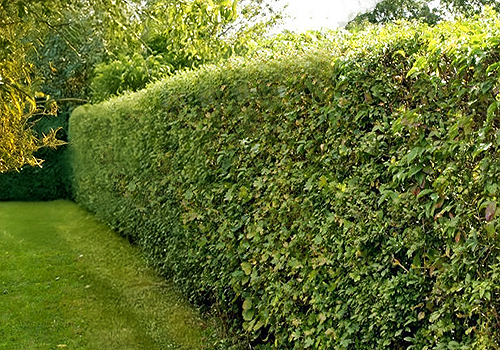
Biodiversity Net Gain (BNG) represents a planning strategy established under the Environment Act 2021, which mandates that all new constructions in England enhance biodiversity to a measurably better state than before.
BNG is compulsory for the majority of new projects, necessitating at least a 10% improvement in biodiversity value, calculated utilising Natural England’s Biodiversity Metric. As the UK adopts the Biodiversity Net Gain (BNG) framework, developers, landowners, and conservation advocates are exploring practical and effective strategies to boost biodiversity while promoting sustainable development.
One method that is frequently overlooked yet remarkably effective is the creation of hedges. They provide outstanding biodiversity advantages and are crucial in fulfilling BNG obligations.
In our experience, a mixed native hedge is the most effective choices for boosting biodiversity. A mixed native hedge refers to a type of hedgerow that incorporates various native British species, such as hawthorn, blackthorn, and field maple. For Biodiversity Net Gain (BNG), a mixed native hedge serves as an excellent means to satisfy the obligation of enhancing biodiversity to a better state than it was before. Planting these diverse hedgerows aids in forming essential wildlife corridors, offering sustenance and refuge for numerous species, which greatly enhances a site's BNG score.
Essential benefits mixed native hedging for BNG
- Enhanced biodiversity: A variety of native species provides more food options (berries, nuts, flowers) and nesting opportunities, thus supporting a broader range of wildlife than a single-species hedge.
- Wildlife corridors: Mixed native hedges link various habitats, enabling wildlife such as hedgehogs and mice to cross the landscape safely.
- High BNG score: The BNG metric favors diverse and high-quality habitats. Native hedging serves as an exceptionally valuable asset in BNG projects, owing to its ‘high distinctiveness’ habitat classification within the biodiversity metric, especially when paired with native trees. This indicates that the habitat is not only highly advantageous for wildlife but also rare throughout the nation, highlighting the necessity to establish and protect it. Consequently, it receives a high score on the BNG metric and can be used to substitute larger tracts of land with a lower distinctiveness rating. A well-planted mixed native hedge achieves a high score due to its substantial ecological advantages.
Get in touch today to find out more about how East of Eden plants can help you meet Biodiversity Net Gain (BNG) requirements.
Popular Articles
- How to Protect Plants from Frost Damage
- Help save our threatened Peatlands this Easter
- Plant Blindness and Why It's a Real Problem
- The Amazing Benefits of Terracotta Pots and Planters
- Waterwise gardening for a changing climate
- Kew Gardens and East of Eden Plants Lead the way towards Waterwise Gardening in a Changing Climate
- Biochar: A Sustainable Alternative
- Funding Available for Schools Impacted by Flooding
- A Tree is Not Just for Christmas
- A Biophilic Future
Topics
About The Authors

Mailing List
Unsuccessful - please try again
Thank You
Thanks for subscribing to our mailing list.


Your name *